How to Mouse-Proof Your Minneapolis Home Before Winter (Fall Checklist)
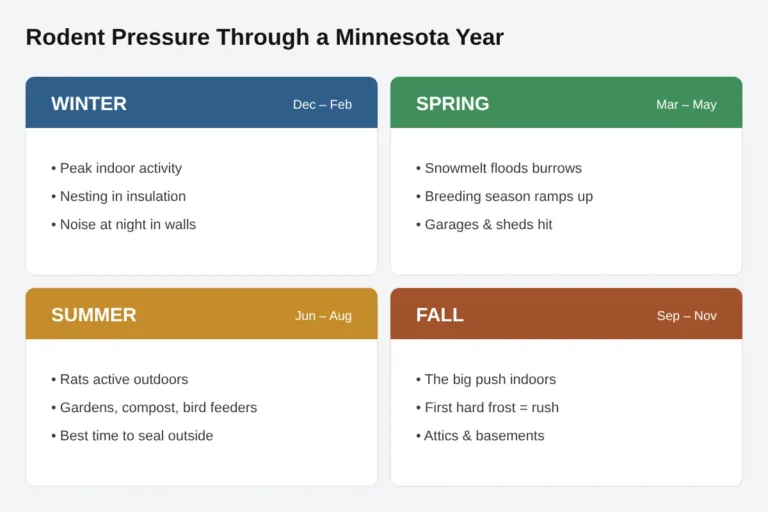
The ideal time to mouse-proof your home is before the first hard freeze. Every fall, it happens the same way. The first cold night hits, the furnace kicks on, and a few days later someone finds droppings in the silverware drawer.
That timing isn’t random. When temperatures in the Twin Cities start dropping in September and October, mice go looking for somewhere warm to spend the winter. Your house is warm, dry, and full of food, and if there’s a gap big enough, they’ll find it.
The good news: a couple of hours of work in early fall can keep most mice out. Here’s a practical checklist for a typical Minneapolis home.
Why fall is the time to act
Mice are easier to keep out than to get out. Once they’re inside the walls, you’re dealing with trapping, cleanup, and sometimes a dead mouse smell. Sealing before they move in means you skip all of that.
Aim to finish this list before the first hard freeze, usually sometime in October.
Outside the house
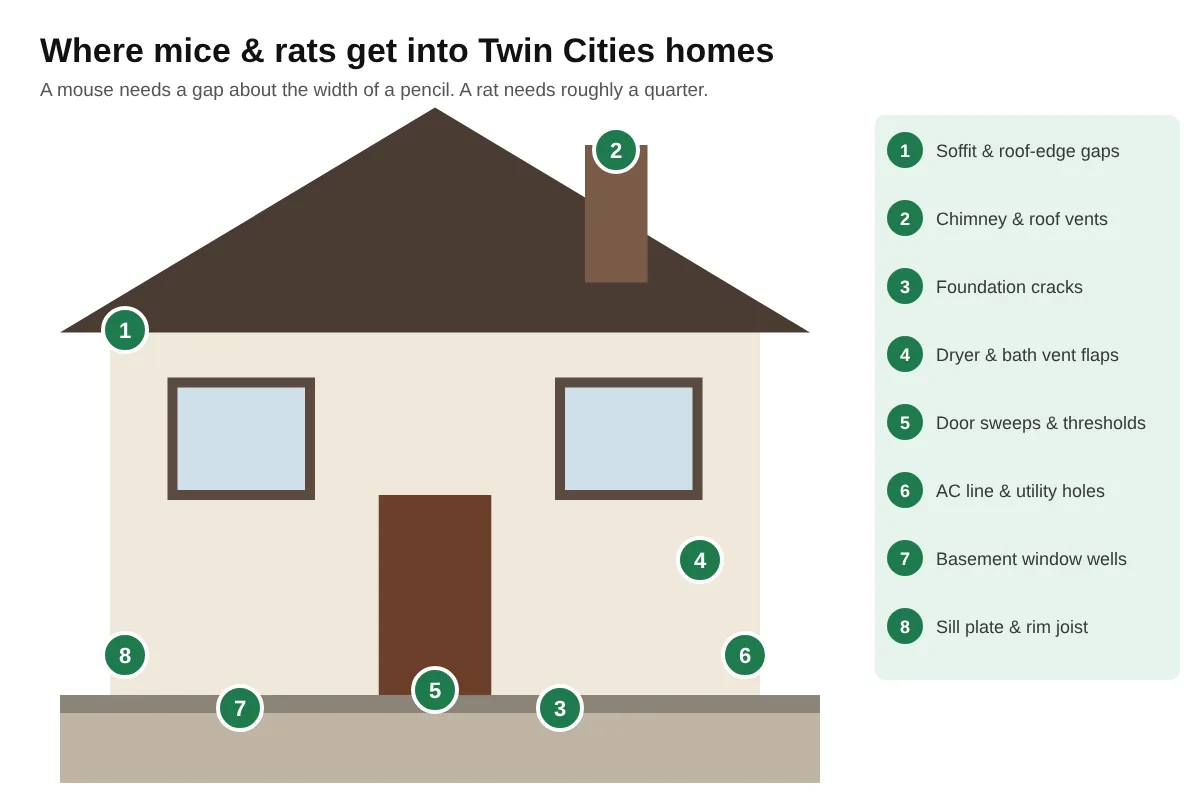
- Walk the foundation with a flashlight. Look for cracks, holes, and gaps, especially where the foundation meets the wood frame (the sill plate). In older homes with stone or block foundations, this is the most common entry point.
- Check every spot where something goes through the wall. Gas lines, water spigots, A/C line sets, cable and phone wires, and dryer vents. Any gap around them bigger than a pencil is a way in.
- Look at the garage door. Stand inside the garage with the lights off during the day. If you can see daylight at the bottom corners, mice can get in.
- Check your vents. Dryer vents should have a working flap. Bath and kitchen vents should close. Crawl space and foundation vents need sturdy metal screening.
- Look up at the roofline. Gaps at the soffits, roof returns, and gable vents let mice into the attic. They’re good climbers.
- Trim back trees and shrubs. Keep branches a few feet from the roof and bushes off the siding.
- Move the firewood. Stack it away from the house and off the ground. Same with mulch piled against the foundation.
Inside the house
- Basement: Check where pipes and wires come in, around the water heater and furnace, and along the top of the foundation walls.
- Kitchen: Look under the sink and behind the stove and dishwasher for gaps around pipes.
- Doors to the outside and garage: Add or replace door sweeps so there’s no gap at the bottom.
- Old basement windows: Seal gaps around the frames and replace broken glazing.
What to use (and what not to)
Mice can squeeze through a gap about 1/4 inch wide, and they chew through soft materials easily. Use materials they can’t get through:
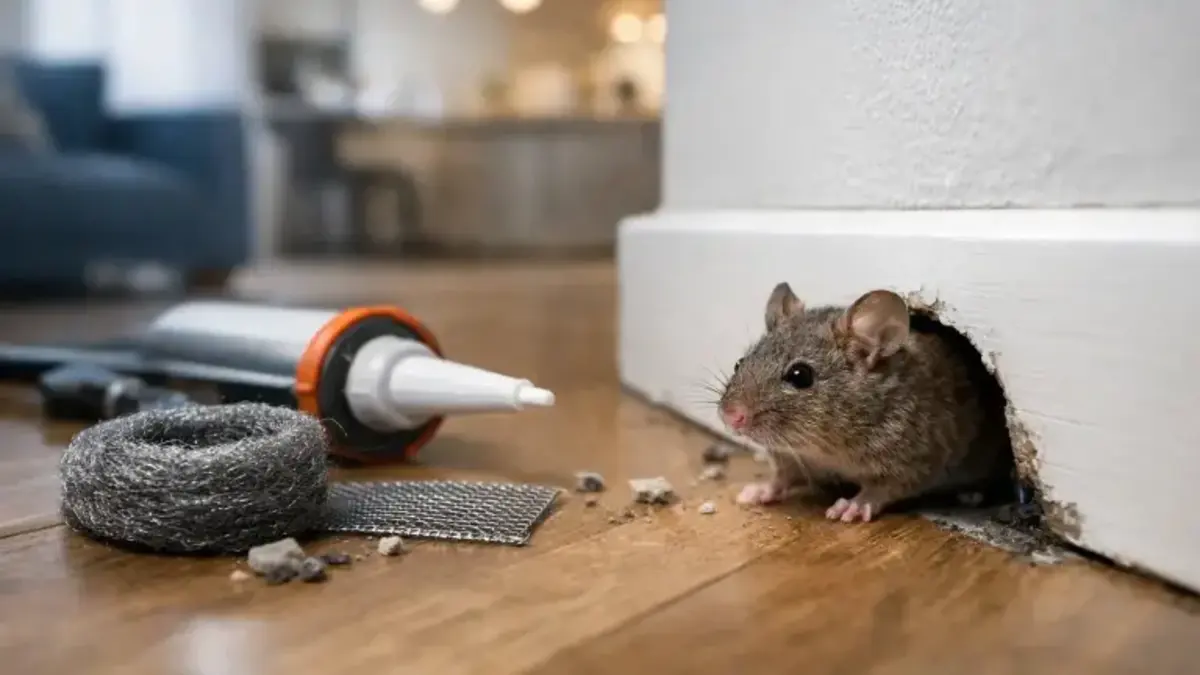
- Steel wool or copper mesh packed into gaps, then sealed over with caulk or sealant
- Hardware cloth (galvanized wire mesh) for vents and larger openings
- Metal flashing for bigger gaps
- Door sweeps and garage door seals made with rodent guards
Avoid using spray foam by itself. Mice chew right through it. If you use foam, pack mesh into the gap first.
Clean up the food
Sealing matters most, but food is what keeps mice interested:
- Store pet food, bird seed, and grass seed in metal or hard plastic bins with lids, especially in the garage
- Keep pantry food in sealed containers
- Don’t leave pet food out overnight
- Clean up under bird feeders, or take them down in fall
When DIY isn’t enough
This checklist handles a lot. But call a professional at (612) 471-0821 if:
- You’re already hearing noises in the walls or ceiling
- You keep finding droppings after sealing
- The gaps are high up on the roofline
- You have an older home with a stone foundation (there are usually many small gaps)
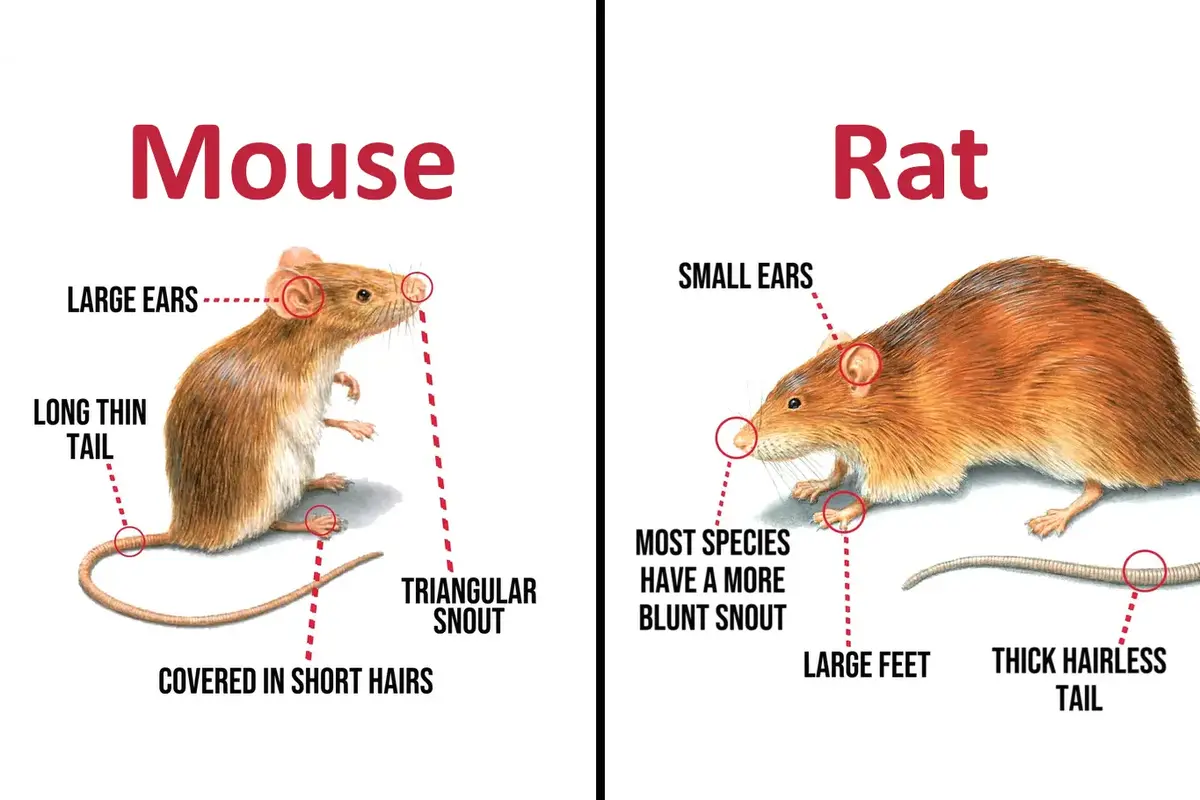
- You think it might be rats, not mice
A local provider can find the gaps you missed and seal them with professional materials. Learn more about rodent exclusion and mouse-proofing service, or see what rodent control costs in Minneapolis.
Quick recap
- Seal before the first hard freeze
- Start with the sill plate, utility openings, garage door, and vents
- Use steel or copper mesh, hardware cloth, and flashing, not foam alone
- Store food in sealed containers
- Call a pro if you already have activity or can’t reach the gaps
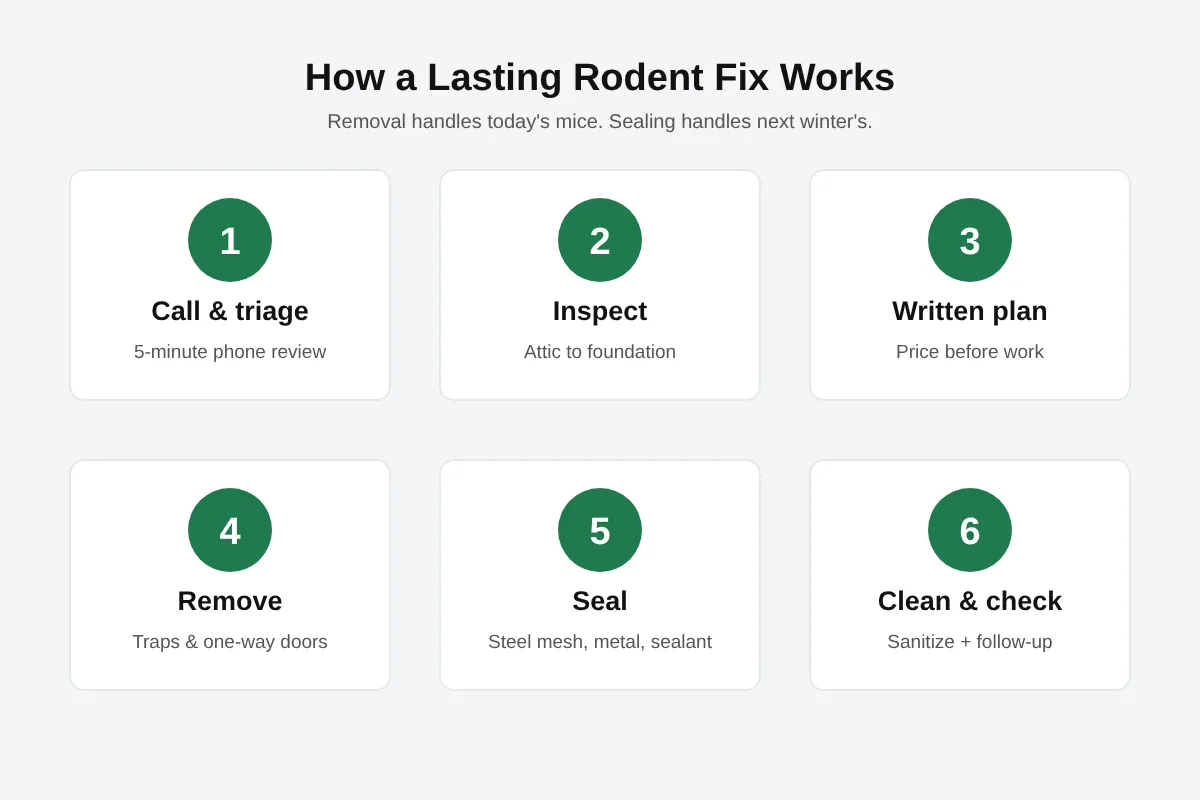
If mice are already inside, our mouse exterminator page explains how removal works.
Mouse-Proof Your Home: A Weekend Plan
You don’t need to do everything at once. Spreading the work over a weekend in September or early October covers the most common entry points before mice start moving indoors.
- Saturday morning: walk the outside, marking gaps at the foundation, siding, vents and garage door
- Saturday afternoon: install door sweeps, a new garage door seal and vent guards
- Sunday morning: pack copper mesh into pipe and wire gaps, then seal over it
- Sunday afternoon: move food into hard containers and clear clutter in the basement and garage
The Minneapolis Health Department’s mouse fact sheet recommends sealing openings of about 1/4 inch or larger. If you find more than you can handle, our rodent exclusion page explains professional sealing.
Mouse-Proof Your Home: Materials That Work in Minnesota
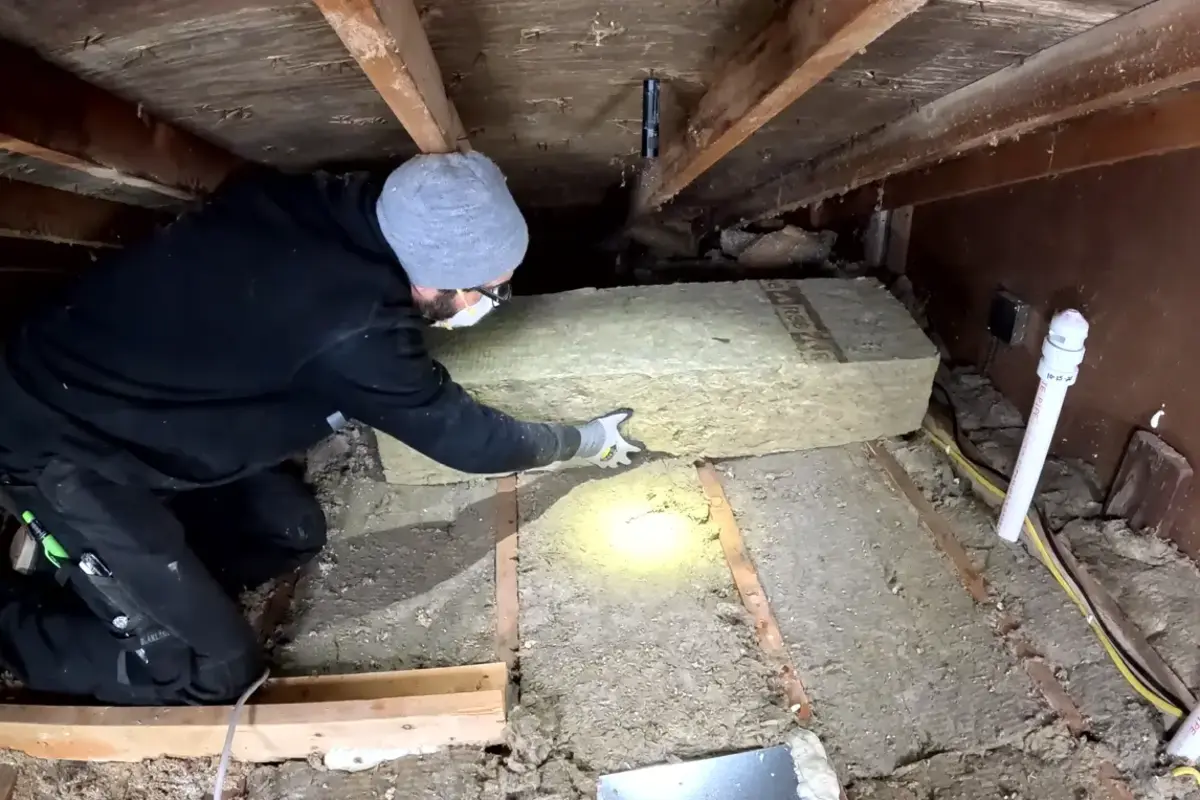
Not every product holds up to Minnesota weather or determined rodents. Choosing the right material for each gap is the difference between a seal that lasts years and one that fails by spring.
What to use
- Copper mesh for gaps around pipes and wires; it does not rust like steel wool
- Galvanized hardware cloth with 1/4-inch openings for vents and crawl spaces
- Sheet metal or flashing for chewed corners and the bottom of doors
- Door sweeps and a new bottom seal for garage doors
- Flexible sealant rated for cold weather to finish over mesh
What to avoid
- Spray foam on its own, which mice chew through
- Steel wool alone, which rusts and loosens
- Plastic or rubber covers on vents
- Wood patches that rodents can gnaw
Mouse-Proof Your Home Room by Room
Inside the house, focus on the places where pipes and wires pass through walls and floors. Under the kitchen sink, behind the stove and refrigerator, around the dishwasher, in the laundry area and around the water heater and furnace are the most common hidden routes. In the basement, check the sill plate where the house sits on the foundation, especially behind stored boxes.
In the garage, look at door corners, the gap under the door into the house and any openings around electrical or gas lines. In the attic, check around plumbing vents, wiring holes and light fixtures. Sealing these interior routes adds a second layer of protection if a mouse gets past the outside.
Your call connects you with an independent local pest control provider.