
Rodent Control in St. Paul, MN — Protecting Historic Homes From Mice and Rats
If you are researching rodent control St. Paul homeowners actually need, start with the house itself. St. Paul’s older houses have character, and they also have a lot of places for mice to slip in. Local providers help homeowners from Highland Park to Payne-Phalen find and fix the gaps rodents are using.
Your call connects you with an independent local pest control provider.
- Talk to a Real Person
- Independent Local Providers
- Minneapolis & Nearby Suburbs
- Ask for a Written Plan
Why St. Paul Homes Deal With Mice and Rats
A large share of St. Paul’s homes were built before World War II. Victorian and Craftsman houses around Summit Hill, Cathedral Hill and Dayton’s Bluff are beautiful, but more than a century of settling, additions and utility upgrades leaves gaps along foundations, porches and roof lines.
The city’s setting adds pressure too. The Mississippi River bluffs, Como Lake, Phalen Lake and plenty of parkland support healthy outdoor rodent populations. When the weather turns cold, rodents near those green spaces look for the closest warm building, which is often a house on the next block.
Busy commercial corridors like Grand Avenue, University Avenue and West 7th bring restaurants and dumpsters close to homes, which helps explain why Norway rats show up in alleys and detached garages across the city.
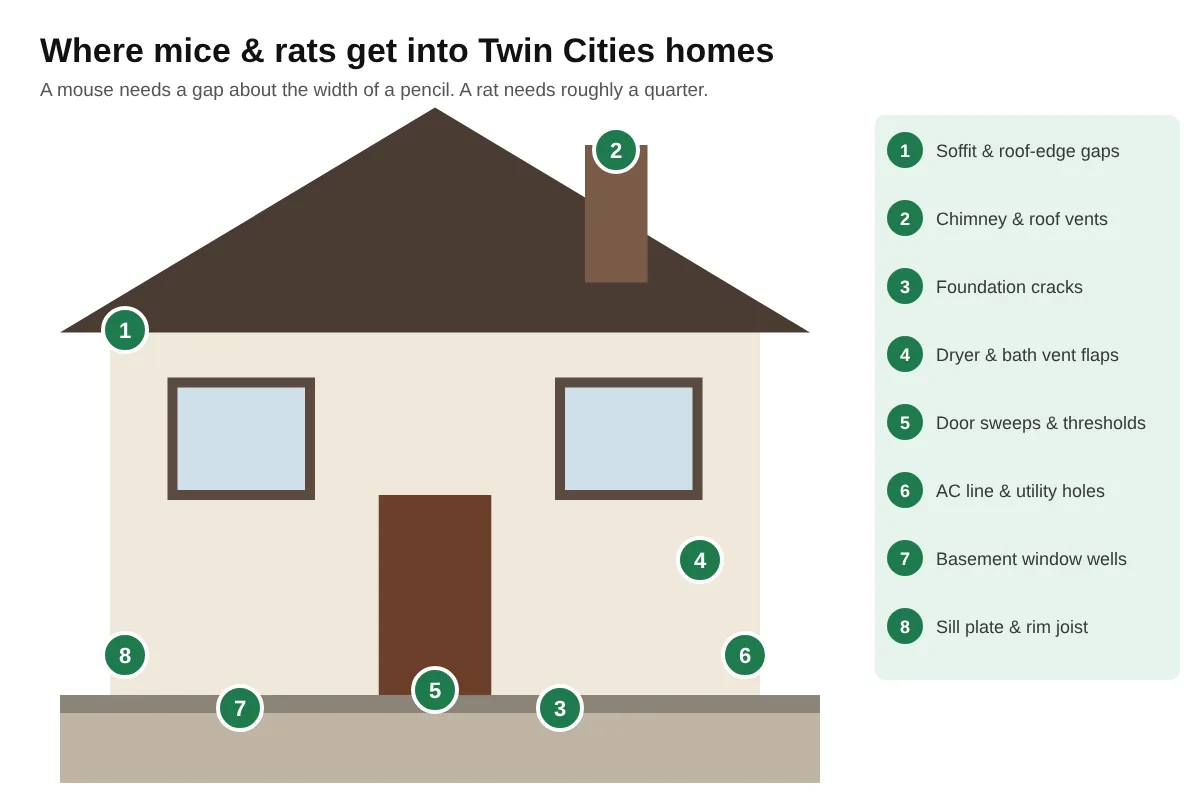
Signs of Rodents in Your St. Paul Home
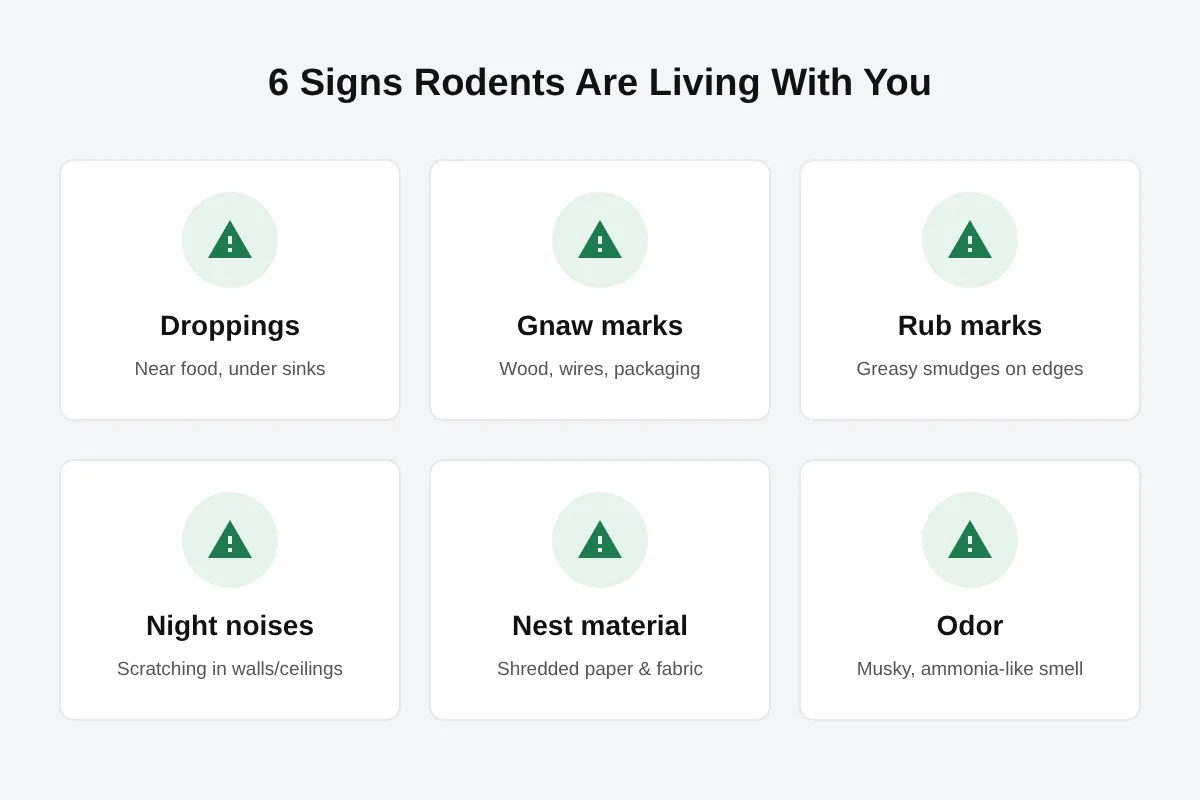
- Droppings along basement walls or under the kitchen sink
- Scratching inside plaster walls or between floors
- Chewed holes in stored items in the basement or garage
- Burrows under back porches or along detached garages
- Musty odor in closets, crawl spaces or the attic
Plaster walls carry sound differently
In older St. Paul homes with plaster and lath, rodent noise can travel a long way from where the animal actually is. Don’t open a wall based on sound alone. A provider can trace the real route using droppings, rub marks and entry points.
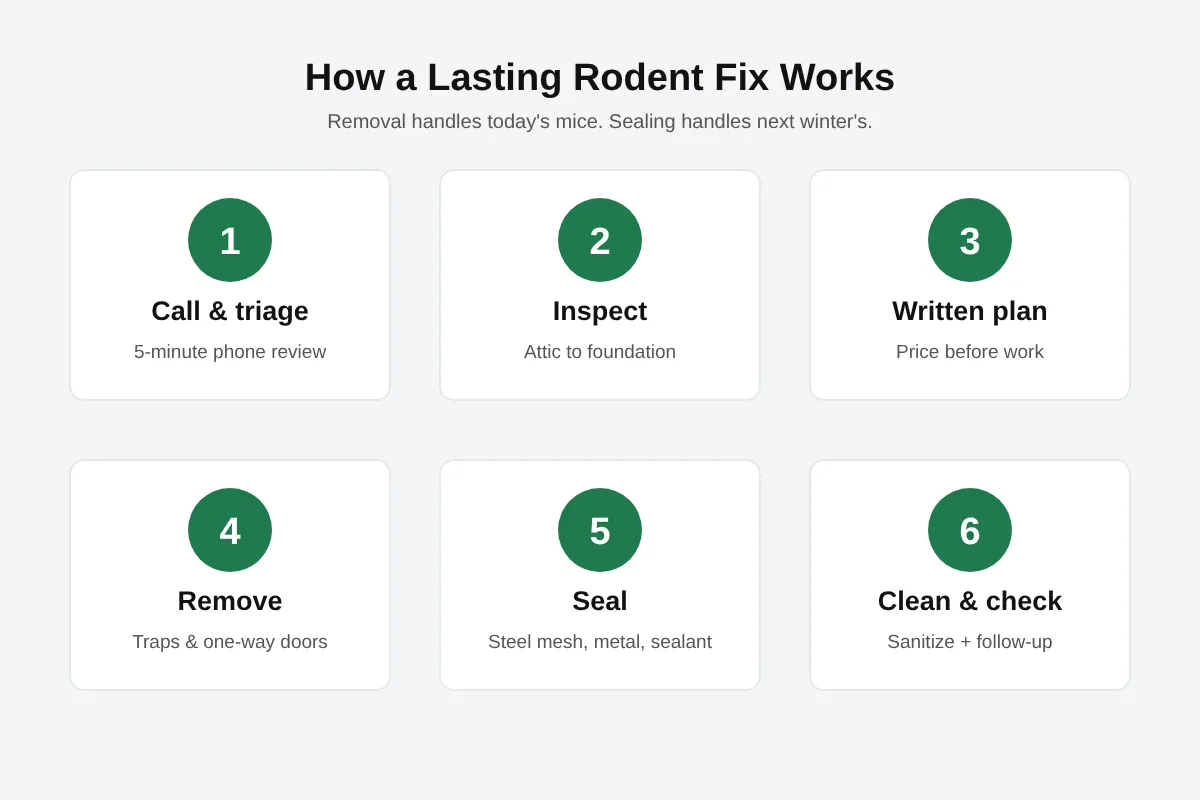
How Rodent Control Works in St. Paul
Call & describe
Describe what you’re noticing at your St. Paul property and the provider will set up a visit.
Inspect the whole property
Attic, living space, basement or crawl space and the full exterior, with photos of what’s found.
Remove the rodents
Traps along active runways and exterior stations only where they make sense. No indoor poison.
Seal and confirm
Entry points closed with steel mesh, hardware cloth and metal, then a follow-up to confirm it’s quiet.
St. Paul-Specific Entry Points to Seal
Older St. Paul homes have their own weak spots. These are the ones that most often need sealing:
- Crumbling mortar in limestone and brick foundations
- Gaps under wood porches and enclosed sun porches
- Old coal chutes and abandoned utility openings
- Spaces where additions meet the original house
- Gaps around radiator and gas pipes entering the basement
- Detached garage door corners and slab edges
See how sealing works on our rodent exclusion page.
Neighborhoods in and Around St. Paul
Calls are connected with independent providers who work across St. Paul, including:
Highland Park & Macalester-Groveland
Well-kept older homes with mature trees and detached garages that often show the first signs of fall mouse activity.
Summit Hill & Cathedral Hill
Large historic houses with stone foundations, carriage houses and lots of places to seal.
Como & Payne-Phalen
Homes near the lakes and parks where outdoor rodent populations stay high through summer.
West 7th, Frogtown & Dayton’s Bluff
Dense neighborhoods with alleys, mixed-use buildings and rental properties.
Your call connects you with an independent local pest control provider.
Rodent Control St. Paul Homeowners and Landlords Can Plan Around
St. Paul sits on Platteville limestone bluffs above the Mississippi, and much of the city was built out between the 1880s and the 1920s. That history shows up in rodent work. Limestone and brick foundations lose mortar over time, Victorian homes on and around Summit Avenue have layered additions, and many neighborhoods still rely on detached garages off shared alleys. Each of those details gives mice and Norway rats another way in.
For homeowners
The biggest wins in older St. Paul houses usually come from repointing or sealing foundation joints, screening attic and soffit vents, and closing the old coal chute or abandoned pipe openings most owners never think about. Plaster walls carry sound, so a provider will trace droppings and rub marks before opening anything.
For landlords and small businesses
Duplexes in Frogtown and Hamline-Midway, mixed-use buildings along University Avenue and the Green Line, and restaurants on Grand Avenue and West 7th all share walls and alleys. A building-wide plan, with records of each visit, keeps one unit’s mice from becoming everyone’s problem.
A simple St. Paul checklist
- Walk the foundation in September and mark any open mortar joints
- Keep alley garbage carts closed and off the garage wall
- Trim shrubs and ivy back from siding and porches
- Store birdseed and pet food in metal bins
- Check the garage door corners after the first frost
The university extension guide to controlling house mice explains why sealing beats trapping alone.
Common Rodent Situations in St. Paul and How They Are Handled
These are typical situations St. Paul homeowners and property owners describe, with the usual path to a fix. Every building is different, but the patterns repeat across the city.
Scratching in a plaster ceiling in Mac-Groveland
A homeowner hears light scratching above the dining room every evening in November. In older balloon-framed houses, mice often climb from the basement through open wall cavities. The provider traces droppings at the basement sill plate, traps at the top and bottom of the cavity, and seals the rim joist and pipe penetrations so the route closes for good.
Rats under a detached garage in Payne-Phalen
Fresh burrows appear along a garage slab off the alley, and a neighbor has seen rats near the garbage carts. Rodent control in St. Paul for this situation combines exterior traps or locked stations, collapsing and filling burrows, sealing the gap under the garage door, and asking neighbors to keep cart lids closed.
Mice in a Summit Hill carriage house
Stored furniture and boxes in an old carriage house have chewed corners and nesting material. The plan focuses on removing clutter, wet cleanup of droppings, trapping along walls, and screening vents and gaps in the old stone foundation without changing the historic look.
A duplex near University Avenue
Both units report mice in kitchens. Treating one side alone just pushes mice next door, so the provider inspects the shared basement, trash area and plumbing chase, seals entries building-wide and sets a follow-up for both units.
A St. Paul Rodent Calendar
Fall
Mice move toward houses near Como, Phalen and the river bluffs. Seal foundations and garage doors before Halloween.
Winter
Activity shifts indoors to basements, walls and attics. Watch for droppings near furnaces and water heaters.
Spring
Snowmelt exposes burrows along alleys and garages. Inspect detached garages and sheds first.
Summer
Norway rats are most visible outdoors. Keep compost, birdseed and garbage sealed and off the ground.
Rodent Control St. Paul: Quick Answers to Local Questions
Does St. Paul have rules about rodents on private property?
Yes. Property owners in St. Paul are expected to keep buildings and yards clear of conditions that attract or shelter rodents, such as open garbage, junk piles and unsealed openings. If a neighboring property is causing problems, the city’s inspections department can review it.
Are rats more common near the river and rail yards?
Generally, yes. The Mississippi River bluffs, rail corridors and older commercial areas give Norway rats cover and food. Homes and garages close to those areas benefit from regular checks of foundations and garage slabs.
How long does rodent control St. Paul homes need usually take?
Most single-family homes see activity drop within the first week of trapping, with sealing and a follow-up visit completing the job in one to three weeks. Large historic homes with many entry points can take longer.
What should I do before the provider arrives?
Note where you have seen droppings or heard noises, keep food sealed, move pets away from the area and avoid cleaning droppings dry. Those notes help the provider find the route faster.
St. Paul Rodent Problems in Pictures
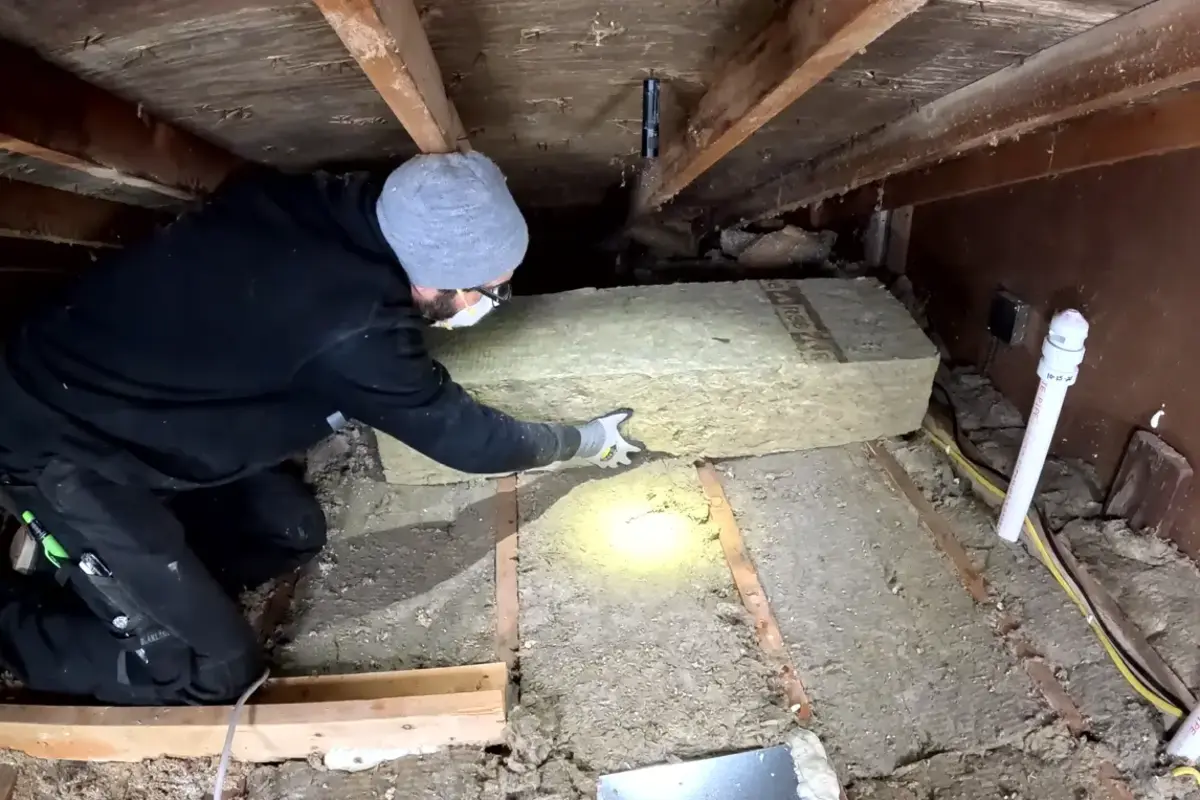
These illustrations show the three things providers look at most often in older St. Paul homes: the signs that rodents are present, the attic where mice like to nest, and the step-by-step process used to remove them and seal the house. If what you are seeing at home matches one of these, you will know what to ask about when you talk to a provider.
Rodent Control in St. Paul: Common Questions
Do you serve all of St. Paul?
Yes. Calls are connected with providers across the city and nearby communities like Roseville, Maplewood, West St. Paul and South St. Paul.
Why does my old St. Paul house keep getting mice?
Older homes usually have many small gaps along the foundation, sill plate and utility lines. Unless those are sealed, new mice keep finding their way in every fall.
Can you work on a historic home without damaging it?
Yes. Sealing methods can be chosen to blend in and avoid altering historic features, and you can ask the provider to walk you through each repair before it’s done.
Do you handle rats in St. Paul alleys and garages?
Yes. Detached garages and alley areas are some of the most common places for Norway rats in the city.
Your call connects you with an independent local pest control provider.