Mice in Your Car Engine? How to Protect Your Vehicle This Minnesota Winter
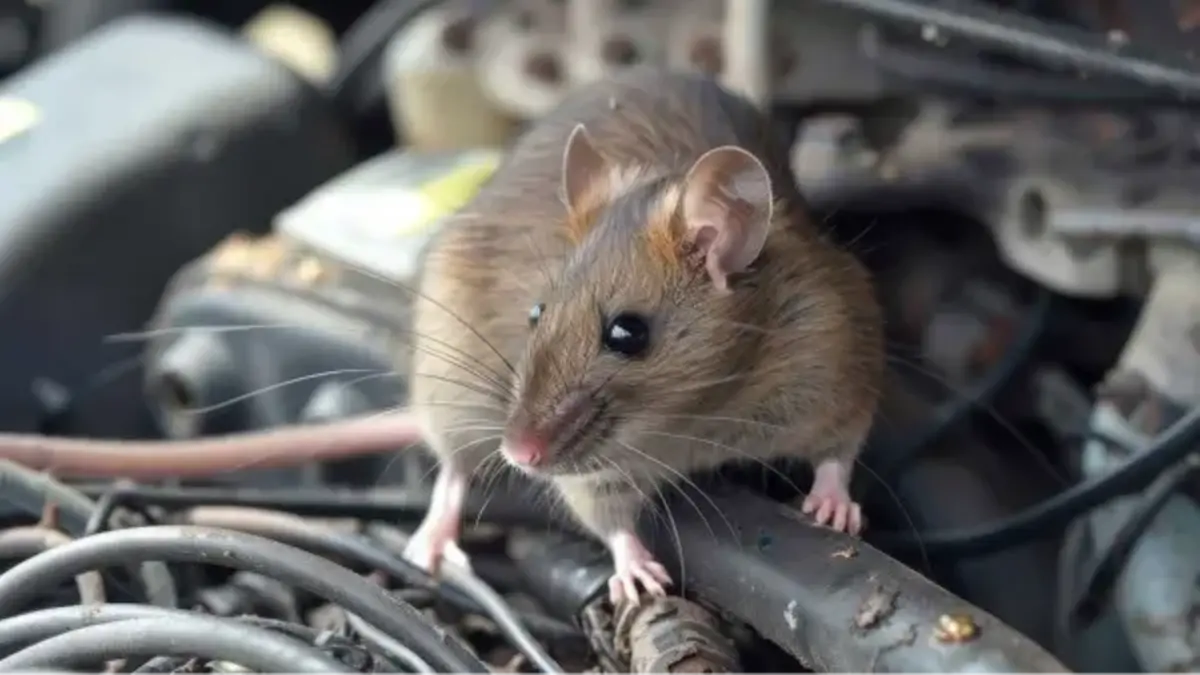
Finding mice in car engine compartments is a common Minnesota winter surprise. It’s one of the most frustrating rodent problems out there. Your car won’t start, the check engine light comes on, or the heater smells strange. The mechanic pops the hood and finds a mouse nest in the air filter box and chewed wires.
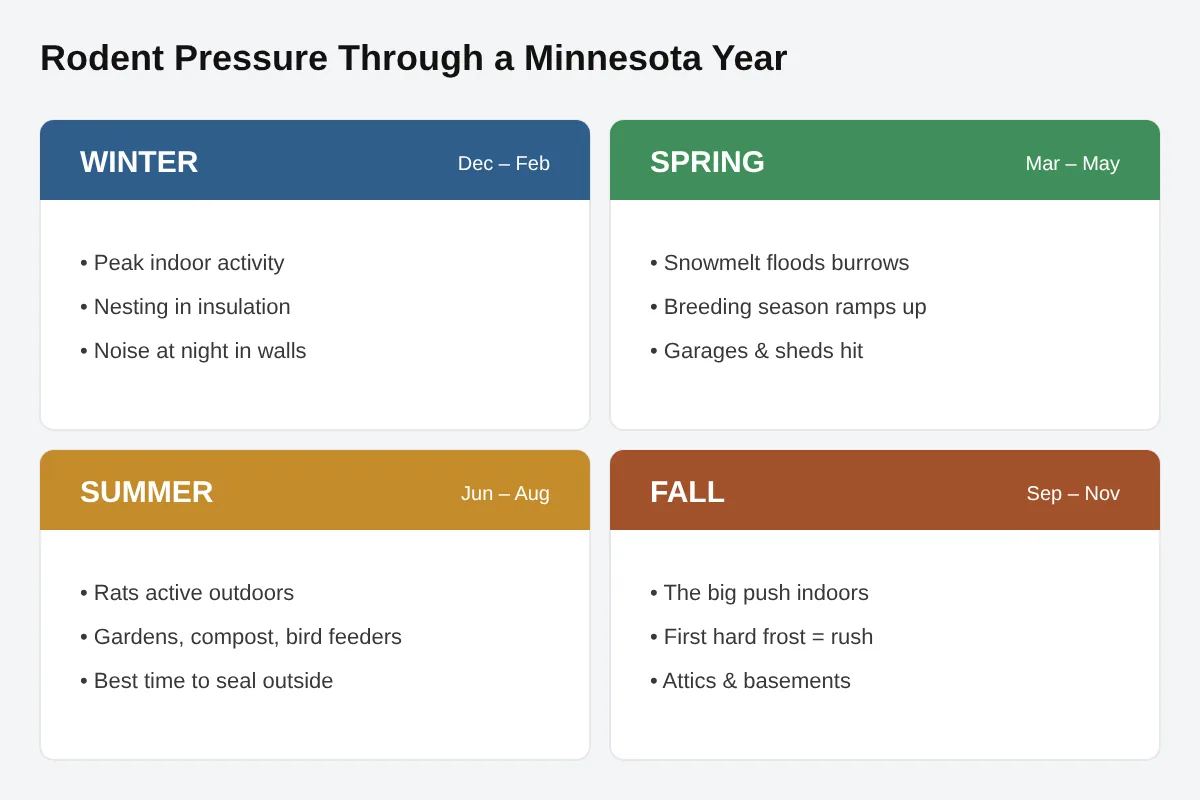
In Minnesota, this happens a lot, especially in winter. Here’s why, what to look for, and how to protect your car.
Why mice love cars in winter
A car that just came home is warm. The engine compartment is dark, protected, and full of tight spaces that feel safe to a mouse. If your garage has mice, or if you park outside near grass, fields, or woodpiles, your car can become a winter home.
Mice also chew constantly to keep their teeth worn down. Wires, hoses, and insulation under the hood are easy targets.
Signs mice are in your car
- Droppings on the engine, battery, or under the hood
- Shredded paper, leaves, insulation, or fabric in the engine bay
- Nesting material or droppings in the air filter box or cabin air filter
- A musty or urine smell when the heat or fan is on
- Chewed wires, hoses, or insulation
- Warning lights or electrical problems that weren’t there before
- Seed or pet food stashed in odd places
What to do if you find mice in your car
- Don’t start the fan or heat until it’s cleaned. That can blow dust and droppings into the cabin.
- Wear gloves and avoid stirring up dust. Spray droppings and nests with a disinfectant, let it sit, then wipe them up. Don’t use a dry vacuum or blower.
- Check the air filters. Both the engine air filter and cabin air filter are common nesting spots. Replace them if they’re dirty.
- Have the wiring checked. If any warning lights are on or anything isn’t working right, take it to a mechanic.
- Call your insurance. Some comprehensive auto policies may cover rodent damage. Every policy is different, so ask.
How to keep mice out of your car
Start with the garage
Most car rodent problems start with a rodent problem in the garage.
- Seal the bottom corners of the garage door and replace worn seals
- Seal gaps around the garage walls, pipes, and where the garage meets the house
- Store bird seed, pet food, and grass seed in sealed metal or hard plastic bins
- Get rid of clutter, cardboard boxes, and old furniture mice can nest in
See our rodent exclusion page for how a pro seals a garage.
Around the car
- Drive the car regularly. Cars that sit for weeks are more likely to get nests.
- Don’t leave food, wrappers, or pet treats in the car
- If you park outside, avoid parking next to tall grass, brush, or woodpiles
- Check under the hood every week or two in fall and winter
What about repellents?
Peppermint oil, dryer sheets, and ultrasonic devices are popular, but there isn’t strong evidence they work for long. Rodent-deterrent tape for wires, available at auto parts stores, may help protect wiring but doesn’t solve the underlying problem. The real fix is keeping mice out of the garage.
When to call a pro
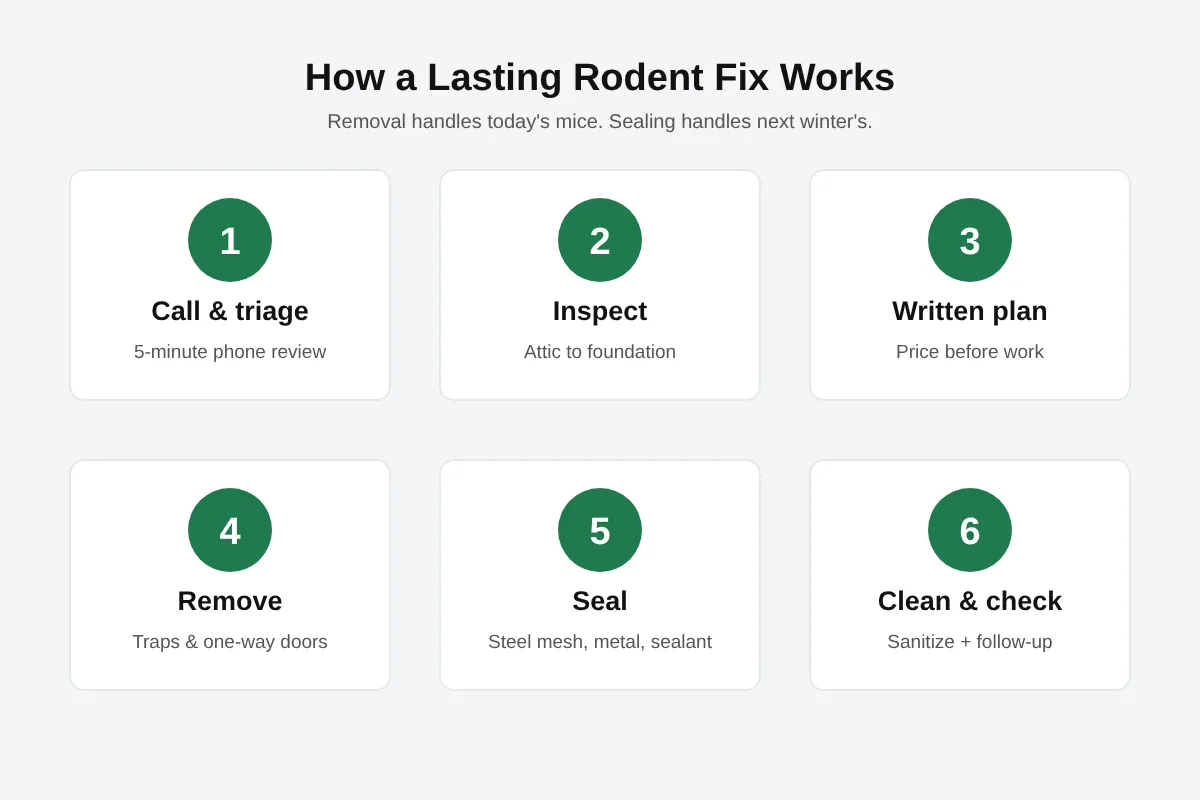
If you keep finding mice in your car or garage, there’s an open entry point and probably an established population nearby. A local provider can find where they’re getting in and remove them. You can reach one by calling (612) 471-0821. Learn more about mouse exterminator service, or if you suspect rats, see rat removal.
Mice in Car Engine Bays: Cleanup and Prevention Tips
Mice like the cabin air filter box, the space above the engine and the trunk spare-tire well. Once they nest, they may chew wiring insulation, foam and filters. If you find a nest, don’t blow it out with compressed air or a leaf blower; that spreads droppings and dust.
- Open the hood outdoors and let the area air out
- Wear gloves and spray nests and droppings with disinfectant before removing them
- Replace the cabin air filter if mice nested in it
- Park away from bird feeders, woodpiles and tall grass
- Seal the garage so mice aren’t sheltering there in the first place
For the cleanup steps, the CDC hantavirus prevention guidance applies to vehicles too. If mice are using your garage, our rodent exclusion page explains how garages are sealed.
Mice in Car Engine Compartments: Which Vehicles Are Most at Risk
Any vehicle can attract mice, but some situations raise the risk. Cars that sit for days or weeks without being driven, vehicles parked outside near fields, woods or tall grass, and cars kept in garages that already have mouse activity are the most common targets. Seasonal vehicles such as boats, RVs, classic cars and lawn tractors stored over a Minnesota winter are especially vulnerable.

Signs to check for regularly
- Droppings on the engine cover, battery or under the hood liner
- Shredded paper, insulation or leaves near the air filter box
- A musty smell when the fan or heater runs
- Chewed wires, hoses or foam
- Warning lights or electrical problems that appear suddenly
Protecting Stored Vehicles Over Winter
If you store a vehicle for the season, clean it out completely first. Remove food wrappers, pet food and anything mice could nest in. Park it in a sealed garage if possible, block exhaust and intake openings with mesh covers you will remember to remove, and check under the hood every few weeks. Placing traps around the vehicle rather than inside it keeps mice away without creating a mess in the cabin.
When the garage is the real problem
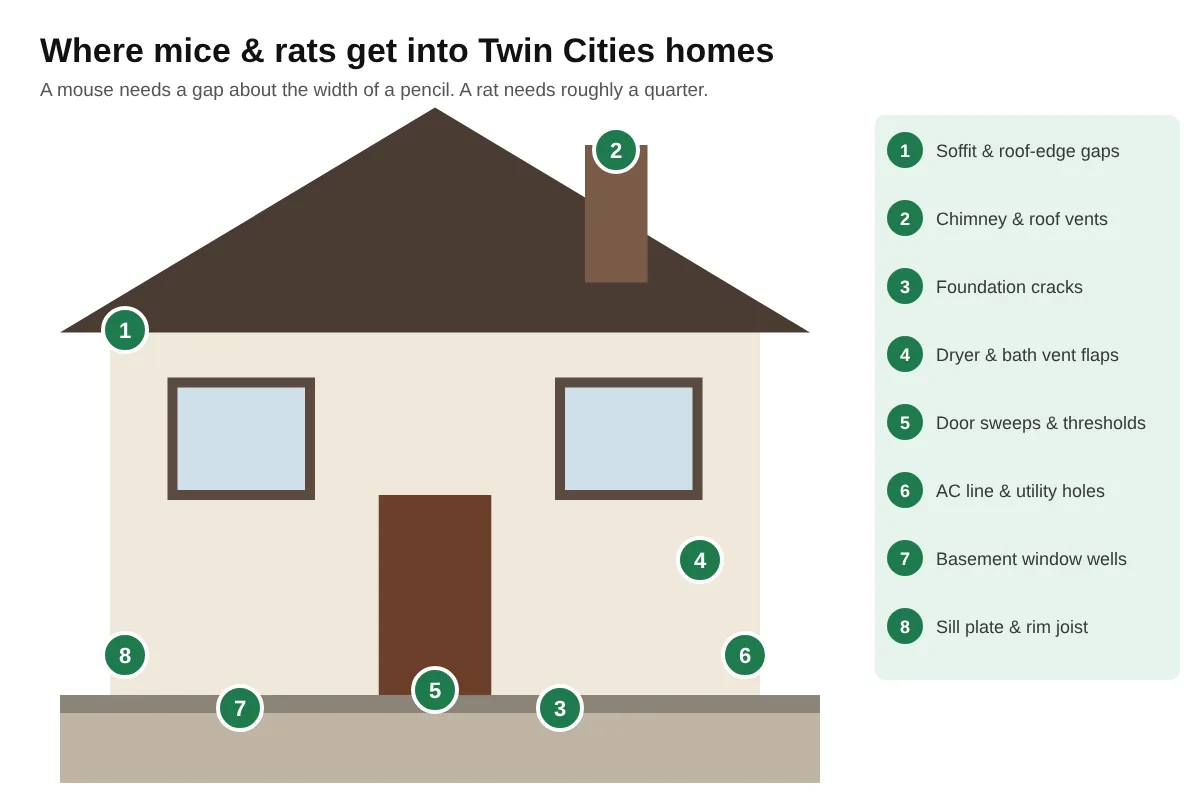
If mice keep showing up in your car, the garage is usually where they live. Worn door seals, gaps at the corners and openings into the house all need attention. Sealing the garage protects the car, stored items and the house at the same time.
Your call connects you with an independent local pest control provider.