
Commercial Rodent Control in Minneapolis — For Landlords, Property Managers and Businesses
Commercial rodent control Minneapolis businesses need is built around prevention, documentation and fast response. Rodents in a rental or a business cost more than a pest bill. They cost tenant trust, inspection scores and inventory. Call to be connected with a local provider who can set up a rodent program that protects the property, keeps records straight and works around your schedule.
Your call connects you with an independent local pest control provider.
- Talk to a Real Person
- Independent Local Providers
- Minneapolis & Nearby Suburbs
- Ask for a Written Plan
Why Commercial Properties Need a Different Plan
A single-family home has one owner and one set of walls. An apartment building has dozens of units connected by shared walls, plumbing chases and common areas. A restaurant has food, warmth and daily deliveries. A warehouse has loading doors that stand open for hours. Each one gives rodents more ways in and more places to hide.
That’s why commercial rodent control is about systems: regular monitoring, clear documentation, sealing the building envelope and quick response when something shows up. The goal is to catch activity early, before tenants or inspectors do.
Properties Providers Work With
Landlords & rental owners
Duplexes, triplexes and single-family rentals. Turnover inspections and tenant-friendly scheduling.
Apartment & property managers
Building-wide inspections, unit-by-unit tracking and common-area programs.
Restaurants & food service
Discreet service, documentation for health inspections and before-hours visits.
Warehouses & distribution
Dock-door protection, perimeter stations and interior monitoring.
Offices & retail
After-hours visits and low-visibility equipment in customer areas.
Schools, churches & daycares
Careful, non-toxic-first approaches around children.
What a Commercial Program Includes
- A full building inspection and a written baseline report
- Tamper-resistant exterior bait stations where appropriate
- Interior traps and monitoring devices in key areas
- Scheduled service visits with a written log after each one
- Sealing of building-envelope gaps, dock doors and utility entries
- Fast response for tenant complaints or sightings
Landlords: know your responsibilities
Minnesota law generally expects landlords to keep rental units fit to live in, and pest problems can fall under that. Leaving a rodent issue unresolved can lead to tenant complaints, rent escrow actions or city inspection orders. Talk to an attorney or your city’s housing inspections office about your specific obligations. Documented, prompt rodent service is one of the easiest ways to show you’re taking it seriously.
Rental Turnover and Tenant Complaints
For landlords, the most common rodent headaches come at two moments: when a tenant complains, and when a unit turns over. A complaint needs a fast, documented response. A turnover is the perfect time to inspect, clean up any old droppings and seal entry points before the next tenant moves in.
Providers handle both. Turnover inspections include a short written report for your files. Complaint visits focus on the affected unit and any units that share walls, plumbing chases or ceilings with it, because rodents rarely stay in just one unit.
- Fast response to tenant complaints with written notes
- Turnover cleanups between leases
- Shared-wall and common-area inspections
- Building-wide sealing plans you can budget for
Your call connects you with an independent local pest control provider.
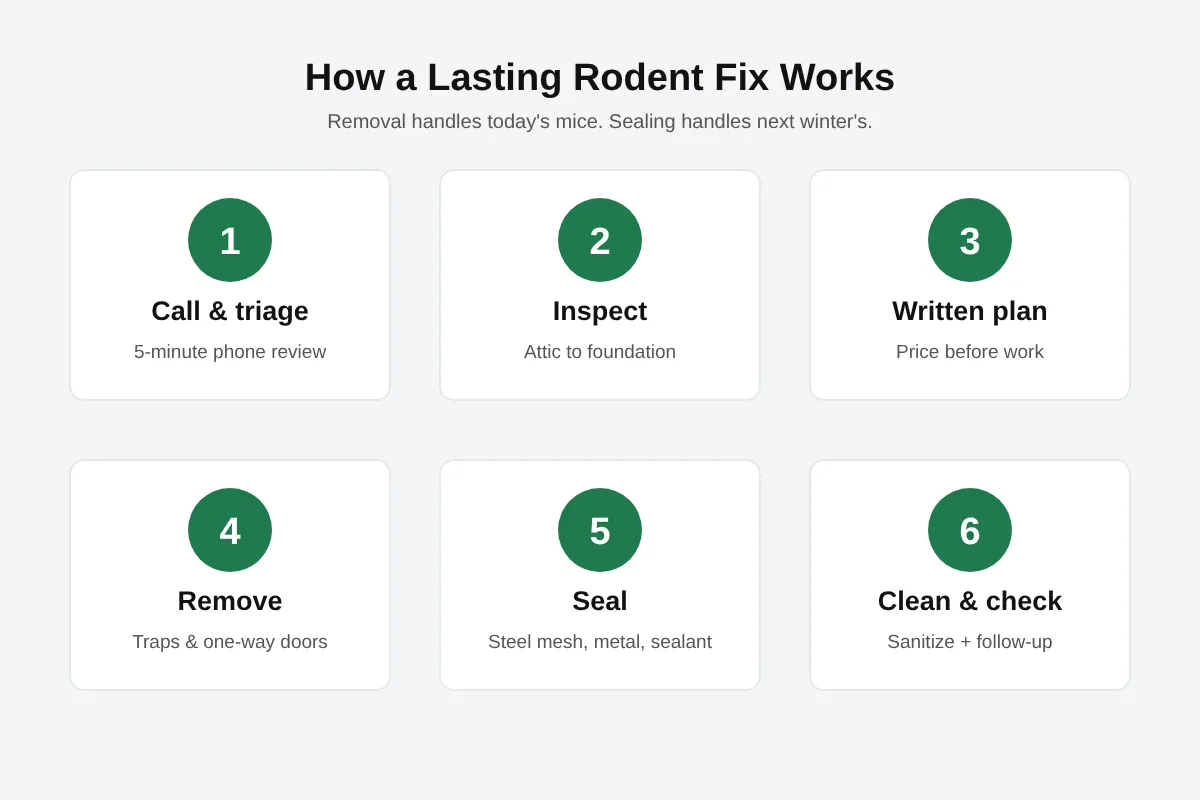
How a Commercial Rodent Program Is Set Up
Consultation
The provider learns about the property, tenants or operations and any past issues.
Site inspection
Inside, outside, shared spaces and the building envelope.
Proposal
Scope, schedule and pricing in writing.
Initial clean-out
Active rodents removed with traps and stations.
Seal the building
Entry points closed, dock and door protection added.
Ongoing service
Regular visits, logs and quick response to sightings.
Commercial Rodent Control Minneapolis: Inspections, Records and Accountability
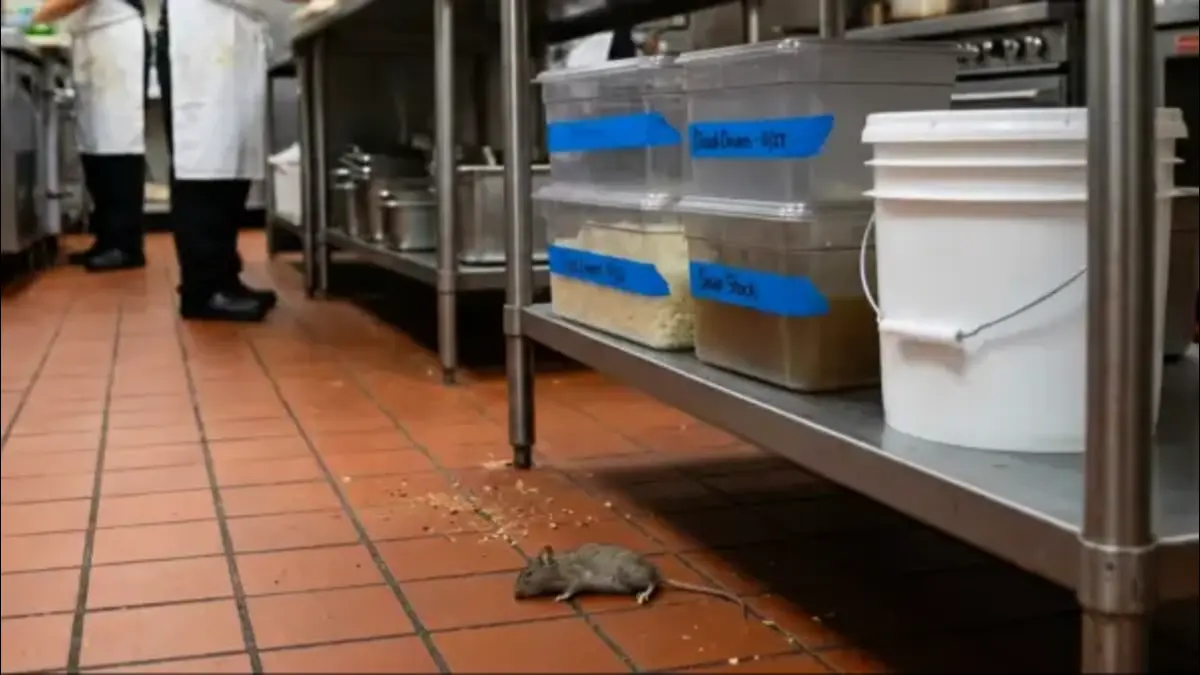
A rodent sighting at a business costs more than the service visit. It can mean discarded inventory, a failed health inspection, tenant turnover or a bad online review. That is why commercial programs focus on keeping rodents out and proving it.
Restaurants and food service
Food establishments in Minneapolis are inspected by the city’s health department. A good program includes a site map of every device, interior traps in kitchens and storage, exterior bait stations where appropriate, sealed back doors and a log of each visit you can show an inspector.
Warehouses and manufacturing
Dock doors, rail spurs and pallet storage are the main pressure points. Dock seals, door sweeps, perimeter stations and keeping a clear strip along exterior walls make monitoring easier.
Apartments and property management
Multi-unit buildings need unit inspections, trash room and compactor management, and a simple way for tenants to report activity. Treating one unit at a time rarely solves the problem.
Offices and retail
Break rooms, ceiling spaces and storage rooms are the usual hiding spots. Discreet devices and after-hours service keep work invisible to customers.
The Minneapolis Health Department’s mouse fact sheet was written for facilities and lists the same priorities: seal, clean and monitor on a regular schedule.
What a commercial report should show
- Date, time and areas inspected
- Device map and activity at each station
- Entry points found and repairs made
- Sanitation issues to correct
- Recommendations before the next visit
Commercial Rodent Control Minneapolis: More Questions Answered
How often should a business be serviced?
Many food businesses and warehouses choose monthly service; some lower-risk offices and retail spaces choose quarterly. The right frequency depends on what the inspection finds and any audit or customer requirements.
Do restaurants need written service records?
Records are not always mandatory, but they are extremely useful during health inspections and if a customer complaint comes up. A good log shows what was inspected, what was found and what was corrected.
Can service happen outside business hours?
Most providers can schedule visits early in the morning, after closing or on slow days so customers and guests never see the work.
Who handles rodents in a multi-tenant building?
Usually the property owner or manager coordinates the program, with tenants keeping their own spaces clean and reporting activity quickly. Shared areas such as trash rooms, loading docks and basements need building-wide attention.
What does a commercial inspection include?
Exterior walls and landscaping, doors and docks, dumpster areas, storage rooms, kitchens or break rooms, ceiling voids where accessible, and utility rooms. The provider then maps device locations and recommends repairs and sanitation steps.
Commercial Rodent Control in Pictures
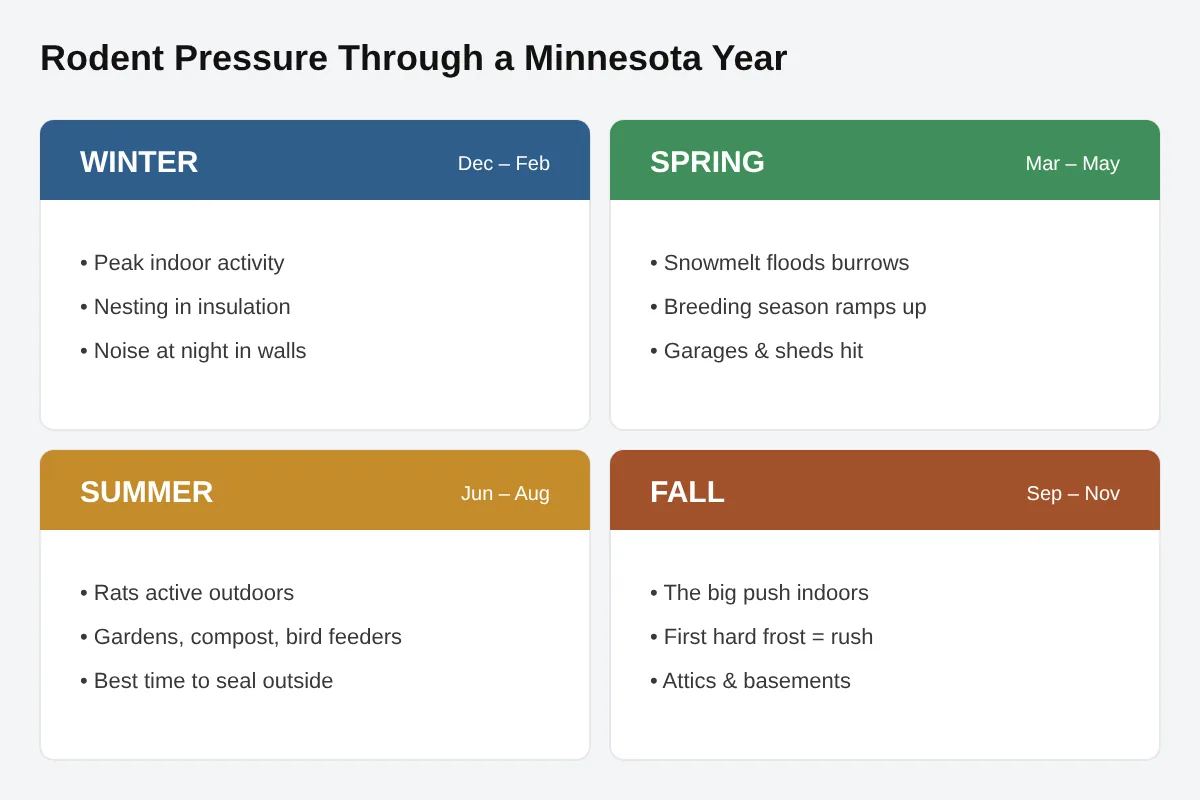
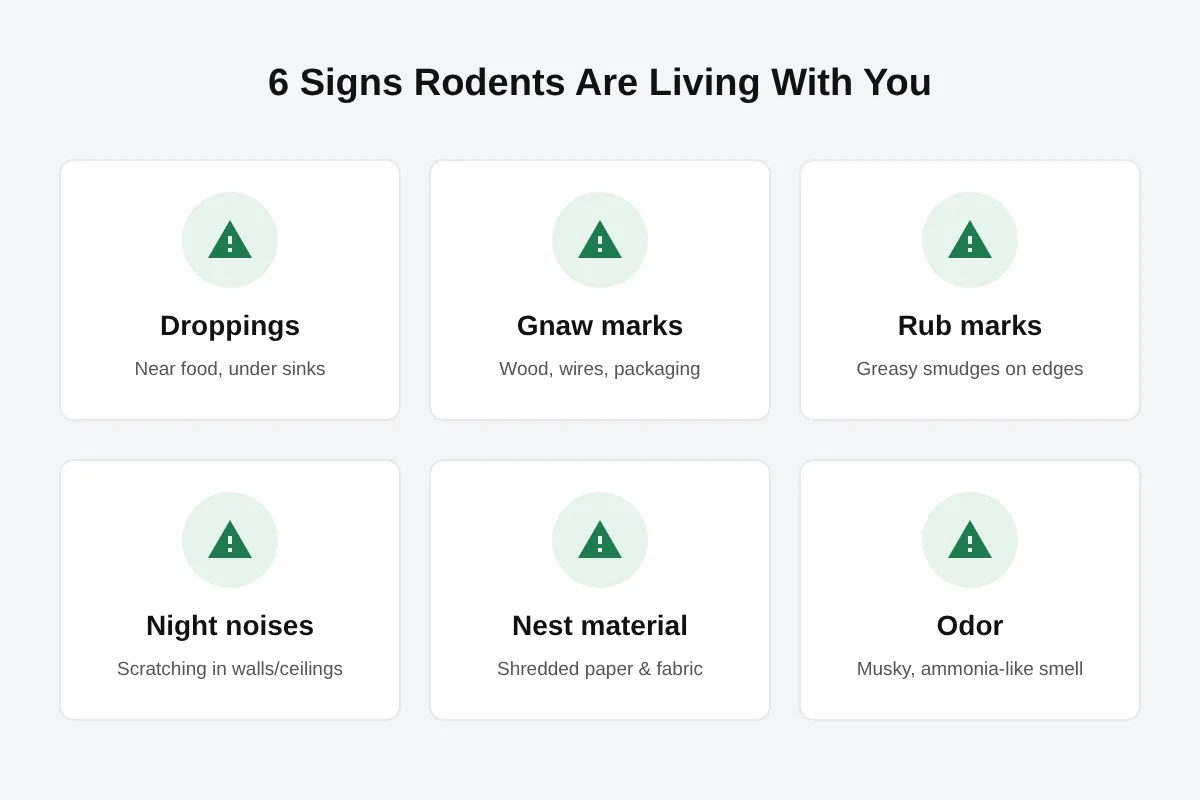
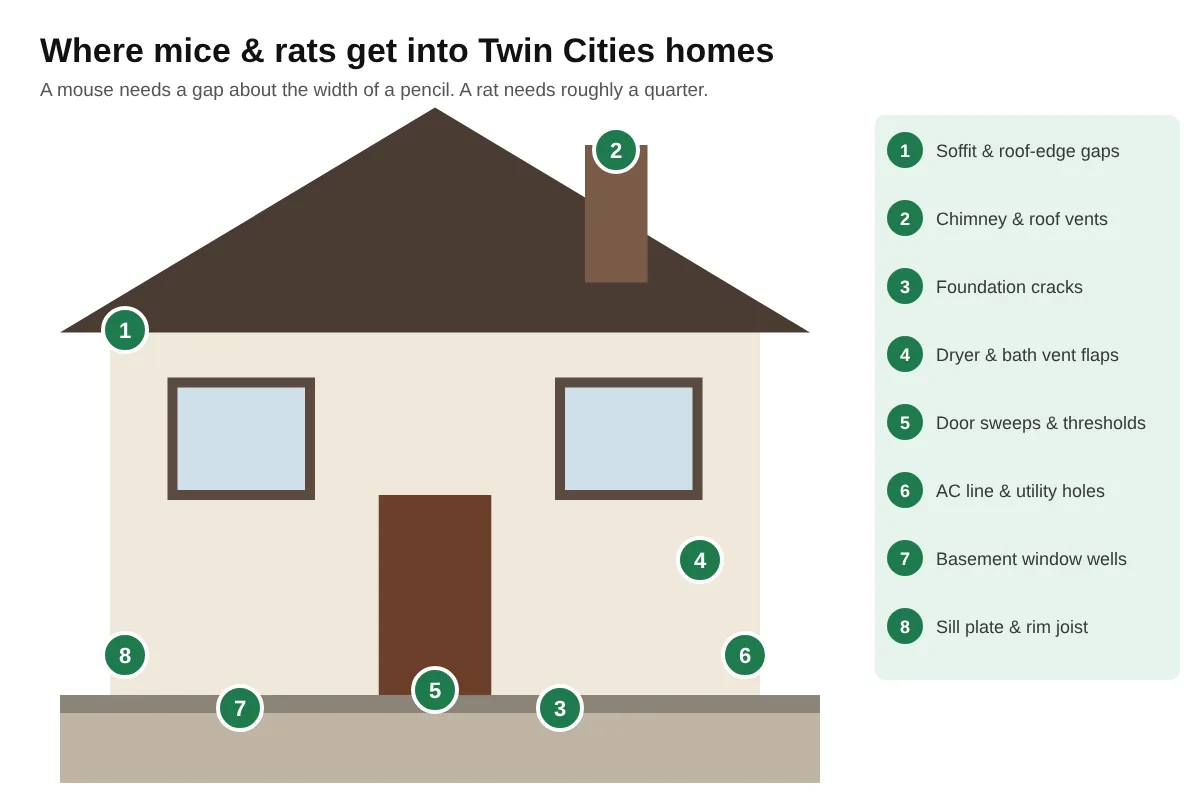
These illustrations show the areas a commercial program focuses on, from entry points around the building to the signs staff should report and the process used to keep a site clear of rodents between visits.
Commercial & Rental Properties: Common Questions
Do you provide documentation for health inspections?
Yes. Each visit is logged with what was checked, what was found and what was done, so you have records ready when an inspector asks.
Can you service units without disturbing tenants?
Visits are scheduled with you, and tenants get notice. Most unit visits are short and don’t require tenants to leave.
Do you use poison inside restaurants?
No. Indoors in food areas, traps and monitoring devices are used. Any bait is kept in locked stations outdoors.
How often should a business be serviced?
Many food businesses do well with monthly visits. Lower-risk properties may only need quarterly service once the building is sealed.
Who pays for rodent control in a rental?
It depends on the lease and the cause, but owners are often responsible for building-related pest problems. Check your lease and local rules, or ask an attorney for advice on your situation.
Related Rodent Services in Minneapolis
Mouse Exterminator
Rat Removal
Urgent Rodent Removal
Mice & Rats in Walls
Attic Rodent Removal
Dead Rodent Removal
Rodent Exclusion
Questions to Ask Before You Hire
- Can I see your Minnesota pest control license number?
- Will you give me a written quote before starting?
- What exactly does the treatment or exclusion include?
- Do you offer any warranty or follow-up visits, and what are the terms?
- How do you handle cleanup and dead rodent removal?
Your call connects you with an independent local pest control provider.